
Understanding Lewy Body Dementia
A plain-English guide to what makes LBD different, the early signs to watch for, and how it's diagnosed in Australia.
A simple way to picture it
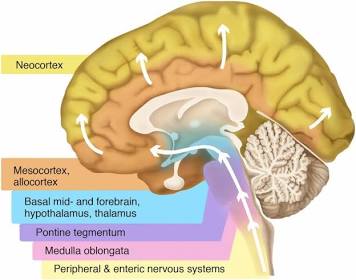
Imagine your brain is a massive, super-fast highway system where chemical messengers are cars delivering information. In a person with Lewy Body Dementia (LBD), tiny, abnormal clumps of protein build up inside the brain cells.
Think of these protein clumps — called Lewy bodies — like unexpected roadblocks. Because these roadblocks pop up in areas that control both thinking and movement, LBD acts like a unique mix of Alzheimer's disease and Parkinson's disease.
What makes LBD different?
When people hear the word “dementia”, they usually think of severe memory loss first. But LBD plays by different rules:
The “On and Off” Effect
A person's attention and alertness can swing wildly. One day — or even one hour — they might be totally sharp and conversational; the next, they might be incredibly confused, drowsy, or staring into space.
Seeing Things
People with LBD very often experience vivid, detailed visual hallucinations — seeing people, animals, or objects that aren't actually there — early on in the illness.
Movement Trouble
Because the protein clumps also target the brain's movement centre, people develop stiff muscles, a shuffling walk, and slow movements, much like Parkinson's disease.
Early signs to watch for
The early red flags of LBD can be surprising, because they don't always look like typical forgetfulness.
Acting Out Dreams
During deep sleep our bodies are supposed to be paralysed so we stay still. In LBD this “switch” breaks down — people might violently kick, punch or yell while asleep, essentially acting out vivid nightmares.
Frequent Falls
Because balance and spatial awareness are disrupted, stumbling or fainting can happen early on.
Staring Spells
Moments where the person seems to completely zone out for long stretches.
Problems with Distance
Misjudging how far away an object is, or struggling to navigate familiar rooms.
How it's diagnosed in Australia
There isn't a single, simple blood test that can instantly shout “LBD!” Instead, Australian doctors piece the puzzle together like detectives.
The GP Visit
It always starts with a General Practitioner (GP). The GP does initial thinking tests and checks overall health to rule out simple things like vitamin deficiencies or infections.
Specialist Referral
The GP refers the patient to a specialist — usually a Geriatrician (a doctor who specialises in older adults) or a Neurologist (a brain specialist).
Brain Scans & Tests
The specialist orders an MRI or CT scan. While these don't see the Lewy bodies directly, they help rule out strokes or tumours. In Australia, specialists may also use a specialised nuclear scan called a DaTscan to check the brain's dopamine levels, which helps confirm LBD.
Clinical Diagnosis
The doctor reviews the “one-two punch” rule: if the person has dementia symptoms and at least two core features (like visual hallucinations, Parkinson-like movement, or sleep disorders), a formal diagnosis of LBD is made.
Support in Australia
If a family receives an LBD diagnosis, organisations like Dementia Australia provide free counselling, education and support helplines to help navigate the journey.