
Lewy Body Dementia in Australia: What Families Should Know
LBD is the second most common type of progressive dementia, yet it's widely misunderstood. This plain-English guide walks your family through everything you need to know.
When most people hear the word “dementia”, they think of Alzheimer's disease — someone who forgets names, gets lost going to the shops, or can't remember what year it is.
But there's another type that's often completely misunderstood: Lewy Body Dementia (LBD). It's actually the second most common type of progressive dementia in older adults, yet many families — and even some doctors — have never heard of it. Because it behaves very differently from Alzheimer's, getting a handle on it can feel like solving a puzzle with moving pieces.
Part 1: What's happening inside the brain?
Imagine the brain is a busy city. Information moves around using tiny chemical messengers travelling along specialised highways. In a person with LBD, microscopic clumps of a protein called alpha-synuclein build up inside the brain cells. Doctors call these sticky clumps Lewy bodies (named after Friedrich Lewy, the scientist who discovered them).
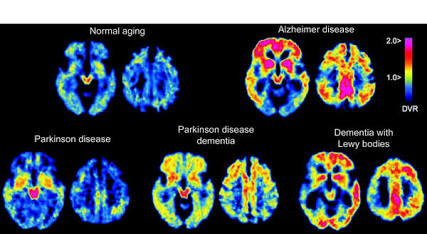
Think of these protein clumps like sudden, random roadblocks on the brain's highways, blocking the chemical messengers. What makes LBD so unique — and confusing — is where these roadblocks settle: two main districts of the brain.
The thinking district
The area responsible for focus, awareness and memory.
The movement district
The area that tells your arms and legs how to move smoothly.
Because it hits both areas, LBD looks like a combination of Alzheimer's disease (problems with thinking) and Parkinson's disease (stiff, shaky muscles).
Part 2: The core symptoms (the rollercoaster)
Because the roadblocks change from day to day, symptoms fluctuate constantly. Doctors look for four major signs.
1. The fluctuating attention “rollercoaster”
Unlike Alzheimer's steady decline, mental clarity swings up and down. On Monday they might be sharp, telling jokes and managing the budget; on Tuesday, deeply confused and drowsy. Carers often say it feels like their loved one is “switching on and off.”
2. Detailed visual hallucinations
Up to 80% of people with LBD see things that aren't there, often very early. These are usually highly detailed, realistic images of people, children or animals — and are frequently silent, with the person feeling neither scared nor upset.
3. Parkinson's-like movement problems
Muscles can become rigid and stiff. People may develop a slow, shuffling walk, lose balance easily, or experience minor tremors (shaking) in their hands.
4. Severe sleep disorders (REM sleep behaviour disorder)
The “safety switch” that paralyses muscles during dreams breaks down, so people physically act out vivid, often violent nightmares — punching, kicking, yelling or falling out of bed. This can appear years, even decades, before any thinking problems.
Part 3: Getting diagnosed in Australia
Because the symptoms mimic other diseases, families often spend months looking for answers. Doctors follow a specific pathway to build the diagnosis puzzle.
The GP assessment
Initial screening. The family visits their GP, who performs basic memory tests and orders blood tests to rule out non-dementia causes of sudden confusion, like urinary tract infections (UTIs) or vitamin shortages.
The specialist referral
Expert evaluation. The GP refers to a specialist — usually a Geriatrician (a doctor for older adults) or a Neurologist (a brain specialist), often at a hospital-based Memory Clinic.
Advanced structural scans
Ruling out other causes. The specialist orders an MRI or CT scan. They can't see individual Lewy bodies, but they're vital to prove the symptoms aren't caused by a hidden stroke or brain tumour.
Nuclear medicine imaging
Confirming the LBD footprint. If the picture is unclear, specialists may order a DaTscan or PET scan, which measure dopamine pathways or metabolic activity to help differentiate LBD from Alzheimer's.
Part 4: Managing life with LBD
There's no cure yet, but many effective ways to manage symptoms, keep your loved one comfortable, and protect their quality of life.
The medication rule: start low, go slow
Medicating LBD is a delicate balancing act — medicines that clear confusion can worsen muscle stiffness, and medicines that loosen stiff muscles can trigger heavier hallucinations. Australian specialists start with miniscule doses of medications like donepezil to boost memory and focus, and increase very slowly.
Critical warning
Traditional antipsychotic drugs (often used to sedate agitated patients) can cause sudden, life-threatening physical reactions in people with LBD. Never introduce a new psychiatric medication without a thorough specialist review.
Setting up a dementia-enabling home
You can dramatically reduce hallucinations and falls just by changing how the house looks and feels.
Banish shadows: Dim light makes the brain misinterpret shapes. Put bright, even lighting in every room, and add automatic nightlights in hallways to prevent midnight trips.
Remove traps: Get rid of patterned carpets (which can look like uneven steps) and pack away loose mats or coffee tables that cause tripping.
Don't argue: If they see a hallucination of a dog in the corner, don't argue or shout that nothing is there. If they aren't scared, acknowledge their feelings (“I see you're looking over there — let's head into the kitchen for a cuppa”) and gently redirect.
Part 5: Your Australian support network
No family should carry the weight of an LBD diagnosis alone. Australia has a world-class network of free support services for every step of the journey.
National Dementia Helpline
1800 100 500Your absolute lifeline. Free and available 24/7, connecting you to kind specialists for emotional stress, family conflict or sudden symptom changes.
My Aged Care
1800 200 422The government portal for anyone aged 65 or older. Arrange an assessment for funding that can pay for in-home care, equipment, bathroom modifications or meals.
The NDIS
1800 800 110If your loved one is diagnosed under the age of 65 (younger-onset dementia), their care falls under the NDIS rather than aged care.
Carer Gateway
1800 422 737Dedicated to you, the carer. Free counselling, coaching, local support groups and emergency respite care if you get sick or need a break.
An LBD diagnosis changes the future, but it doesn't mean life stops today. By gathering a strong medical team, making simple safety adjustments at home, and leaning on Australia's free support services, your family can find stability, safety and meaningful moments together through the road ahead.